
Planting
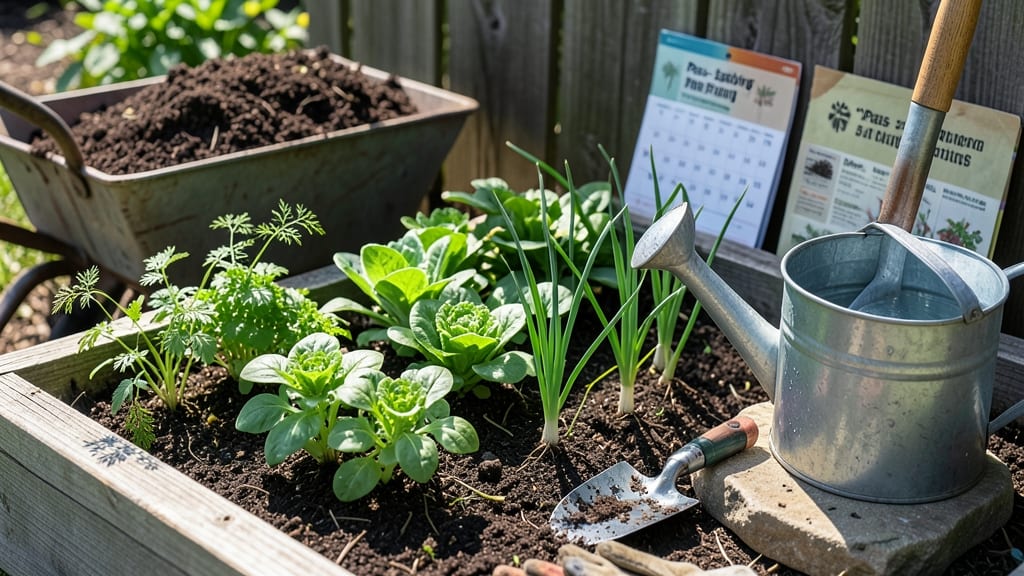
To plant a garden in Oregon, timing is everything—your last frost date shifts wildly from the Willamette Valley to the high desert, and missing it means wilted seedlings or stunted harvests.
Picture this: you’ve prepped your soil, ordered seeds, and are ready to go—only to watch a late April frost turn your tender greens into sad, icy puddles. Oregon’s USDA zones 7b-9a create microclimates where coastal areas thaw weeks before Eastern Oregon’s high desert.
This guide cuts through the guesswork with zone-specific planting windows, from March starts for cold-hardy peas to late May for heat-loving tomatoes. We’ll also show you how to stretch your season with row covers and when to plant perennials for year-round color.
Skip the trial-and-error: learn the exact dates for your corner of Oregon, whether you’re in Portland’s rain shadow or Bend’s dry heat, and turn your garden into a frost-free success.
Oregon planting zones explained: when to start seeds indoors vs outdoor planting
Oregon’s diverse climate zones—ranging from USDA Zone 4 in the high desert to Zone 8 along the coast—create unique challenges and opportunities for gardeners. Knowing your exact planting windows is critical, especially since frost dates can vary by 100+ miles.
For example, Portland’s last spring frost typically arrives by April 15, while Bend’s high desert zone waits until May 15. These differences mean the timing for starting seeds indoors or direct-sowing outdoors can shift dramatically.
Whether you’re growing cool-season crops like kale or warm-season favorites like tomatoes, understanding these microclimates helps you avoid frost damage and maximize your harvest. Coastal areas like Eugene enjoy milder winters, while inland regions face earlier frosts.
Let’s break down Oregon’s key zones and the best times to start seeds indoors versus planting directly outdoors.
📌 Key Takeaway: Start seeds indoors 6-8 weeks before your last frost date for warm-season crops, while cool-season crops can often be direct-sown as soon as the soil is workable. Always check your local frost averages—they’re your gardening GPS!
| Region | USDA Zone | Last Spring Frost | First Fall Frost | Start Seeds Indoors (Warm Crops) | Direct-Sow Outdoors (Cool Crops) |
|---|---|---|---|---|---|
| Portland | Zone 8a-8b | April 15 | October 15 | March 1 - April 1 | March 1 - April 15 |
| Eugene | Zone 8b-9a | April 1 | November 1 | February 15 - March 15 | February 1 - April 1 |
| Bend | Zone 6b-7a | May 15 | September 15 | April 1 - May 1 | April 15 - May 15 |
| Coastal (Astoria) | Zone 8b-9a | March 20 | November 10 | February 1 - March 1 | February 15 - March 30 |
*Frost dates are averages—always monitor local forecasts for accuracy.
For Portland gardeners in Zone 8a-8b, the window to start tomatoes, peppers, and basil indoors opens as early as March 1. These plants need 6-8 weeks of indoor growth before transplanting outdoors after the last frost on April 15.
Meanwhile, cool-season crops like lettuce and peas can be direct-sown as early as March 1—they thrive in cooler temperatures and can even handle light frosts.
In Eugene’s milder Zone 8b-9a, you can push the envelope further. Start warm-season seeds indoors as early as February 15 and direct-sow cool crops like spinach in February.
The longer growing season means you can even squeeze in a fall planting of broccoli or kale in August for a late harvest.
High desert regions like Bend (Zone 6b-7a) have a shorter growing season, so timing is everything.
Start warm-season seeds indoors no later than April 1 to ensure they’re ready for transplanting by May 15. Cool-season crops like carrots and radishes can be direct-sown in late April, but avoid planting heat-loving crops like cucumbers until after the last frost.
The coastal zone, including areas like Astoria, enjoys one of Oregon’s most forgiving climates. Here, you can start indoor seeds as early as February 1 and direct-sow cool crops in February.
The milder winters and cooler summers make it ideal for cutting flowers and herbs like cilantro, which bolts in hotter inland areas.
Pro Tip: Use row covers or cold frames to extend your planting season in colder zones. These tools can push back the last frost date by 2-4 weeks, giving you more time to grow warm-season crops like eggplants or okra. Just be sure to remove them during the day to prevent overheating.
Always double-check your local frost dates using resources like the Oregon State University Extension Service or Almanac.com. Microclimates
Best month-by-month planting calendar for Oregon gardens (Zone-specific guide)
Oregon’s diverse climate zones (4-8) mean your planting schedule should shift dramatically between coastal, Willamette Valley, and high desert areas.
In Zone 7b-8a (most common), you’ll enjoy 150-200 frost-free days, but timing is everything—plant too early, and frost will nip your seedlings; too late, and you’ll miss the harvest window.
Let’s break down the month-by-month planting calendar for Oregon’s most popular crops, including cool-season favorites like kale and warm-season staples like tomatoes.
For Zone 4-6 (eastern Oregon), adjust by 2-4 weeks later for frost-sensitive plants. Coastal areas (Zone 8-9) can plant 1-2 weeks earlier for warm crops. Always check your last frost date—Western Oregon averages April 15, while Eastern Oregon waits until May 15.
Use this calendar as your garden’s roadmap to maximize yields and avoid common mistakes.
🌱 Comparison Table: Oregon Planting Calendar by Month