
Planting
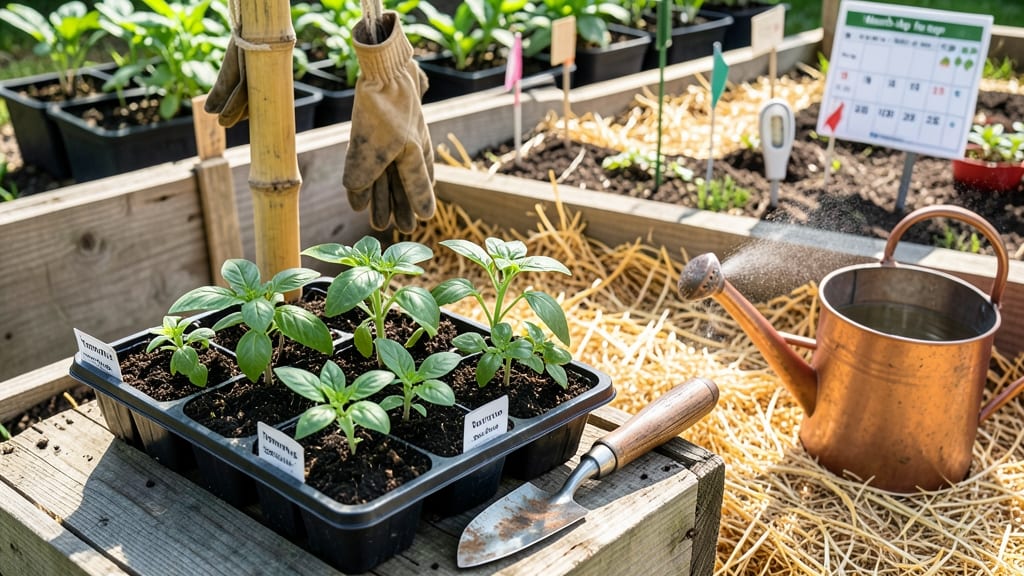
To plant a garden in Virginia, timing everything 4-6 weeks before the last frost—typically by early April—is the key to avoiding frost damage and maximizing yields.
Virginia gardeners know timing is everything—plant too early and frost will strike, too late and your harvest suffers. But with USDA Zone 7b’s unique microclimates, mastering the perfect planting window can mean the difference between thriving 🌱 General Garden Plants (Virginia) and wilted dreams.
Spring planting in Virginia starts as early as February for cold-hardy crops like spinach and peas, but most vegetables—tomatoes, peppers, and cucumbers—need to wait until soil temperatures hit 60°F after the last frost, usually mid-April.
Below, I’ll break down the exact frost-free deadlines by region, the best crops for Virginia’s two planting seasons, and how to stretch your growing window with simple tricks like row covers and succession planting.
Virginia’s frost dates by region: USDA Zone 7b planting deadlines
Understanding Virginia’s frost dates is critical for gardeners in USDA Zone 7b, where last frost dates can shift by weeks between regions like Richmond, Charlottesville, and Lynchburg.
These variations mean your spring planting window could open 2-3 weeks earlier in Lynchburg than in Charlottesville—making precision planning essential for avoiding frost damage.
For most of Virginia’s Zone 7b areas, the average last frost date falls between mid-April and early May, while the first frost typically arrives in mid-October. However, historical data shows Charlottesville often experiences its last frost 2-3 days later than Richmond, giving gardeners a slightly extended growing season.
These nuances dictate whether you can plant tomatoes in late April or must wait until early May.
Here’s a quick reference for cool-season crops like spinach and peas: plant them 4-6 weeks before your last frost date to ensure they mature before summer heat sets in.
Meanwhile, warm-season crops such as peppers and cucumbers should only go in the ground after the last frost, with soil temperatures consistently above 60°F.
🌱
In Lynchburg, the earlier last frost date (around April 10) means you can start planting warm-season crops like squash and beans as early as mid-April, while Richmond gardeners should wait until late April.
This 10-day difference can translate to an earlier harvest and a longer growing season for heat-loving plants.
For fall planting, aim to sow cool-season crops like kale and radishes by mid-August to ensure they mature before the first frost. In Charlottesville, where the first frost arrives slightly later (October 18), you might extend this window to late August for slower-growing varieties.
Pro tip: Use historical frost data from local weather stations (like NOAA’s Frost/Freeze Products) to adjust your planting schedule.
For example, if Lynchburg’s last frost has been April 5 in three out of the last five years, don’t rush to plant tomato seedlings before April 15—even if the average is earlier.
Microclimates also play a role: Urban areas like Richmond may experience 2-3°F warmer nights due to the heat island effect, delaying frost slightly. Meanwhile, rural areas with higher elevations (like parts of Lynchburg) can see frost 1-2 weeks earlier in spring.
To hedge your bets, I recommend starting seeds indoors 6-8 weeks before your last frost date for warm-season crops. This way, you’ll have hardy transplants ready to go as soon as the soil warms up.
For cool-season crops, direct-sow 4-6 weeks before to take advantage of Virginia’s long growing season.
Remember: Frost dates aren’t set in stone. Always monitor weekly forecasts and be ready to cover young plants with frost cloth if a late freeze is predicted. With these deadlines in mind, you’ll avoid the heartbreak of frost-nipped seedlings and maximize your garden’s potential.
🌿
Best crops to plant in Virginia’s spring and fall seasons
Virginia’s spring and fall seasons offer the perfect windows for growing a bountiful garden. With USDA Zone 7b’s mild winters and long growing periods, you can enjoy fresh produce year-round.
Spring planting starts as early as February for cold-hardy crops, while fall planting extends into October for heat-sensitive varieties. The key is matching your crops to the right timing and conditions.
Cool-season crops like leafy greens and root vegetables thrive in Virginia’s early spring and late fall, while warm-season crops such as tomatoes and peppers need to wait until after the last frost. Planting too early risks frost damage, while waiting too long can shorten your harvest.
Let’s dive into the best crops for each season and the ideal planting times to maximize your garden’s potential.
- 1. Spring Planting (Feb-April): Leafy greens (spinach, lettuce), broccoli, carrots, peas, and onions. Start seeds indoors in February and transplant outdoors by March 15 for a May harvest.
- 2. Warm-Season Transplants (April-May): Tomatoes, peppers, cucumbers, and squash. Wait until after the last frost (mid-April) and use row covers for early starts.
- 3. Fall Planting (Aug-Oct): Kale, collards, radishes, beets, and turnips. Sow seeds by August 15 for a fall and early winter harvest before the first frost.
- 4. Herbs for Both Seasons: Basil, cilantro, and parsley thrive in spring, while oregano and thyme are perennial and cold-hardy for fall planting.
- 5. Flowers for Year-Round Color: Pansies and calendulas handle spring and fall frosts, while marigolds and zinnias bloom all summer long.
- Planting tomatoes or peppers before last frost—they’ll wilt and die.
- Skipping succession planting for fast-growing crops like radishes or lettuce.
- Ignoring soil temperature—cool crops need 45°F+ soil, warm crops 60°F+.
For spring planting, focus on cool-season vegetables that can handle Virginia’s chilly early mornings. Start with hardy greens like spinach and kale, which can tolerate light frosts.
Transplant broccoli and cabbage by mid-March for a May harvest. If you’re eager to grow warm-season crops, use row covers to protect young plants until the last frost.
Fall is the perfect time to plant heat-sensitive crops like leafy greens and root vegetables. These crops thrive in cooler temperatures and can often be harvested before the first frost.
Sow seeds for radishes and lettuce by mid-August and kale and collards by early September for a late fall harvest. Don’t forget herbs like cilantro, which bolts in the heat but loves fall’s cooler air.
When planning your fall garden, prioritize crops with short maturity dates to ensure you harvest before the first frost. For example, bush beans and turnips mature quickly and are perfect for fall planting.
If you’re feeling adventurous, try overwintering crops like garlic or onions, which can be planted in late fall for a spring harvest.
One of the biggest mistakes Virginia gardeners make is planting heat-loving crops too early. Tomatoes, peppers, and cucumbers will struggle and die if planted before the soil warms up.
Always check the average last frost date for your area and wait until the soil reaches at least 60°F before planting. Use a soil thermometer to monitor temperature if you’re unsure.
To make the most of Virginia’s spring and fall seasons, keep a planting calendar and adjust based on your local microclimate. Urban areas may have warmer microclimates than rural ones, so observe your garden’s unique conditions.
With the right timing and a little patience, you’ll enjoy a productive garden from spring to fall—and maybe even into winter! 🌿