
Plants
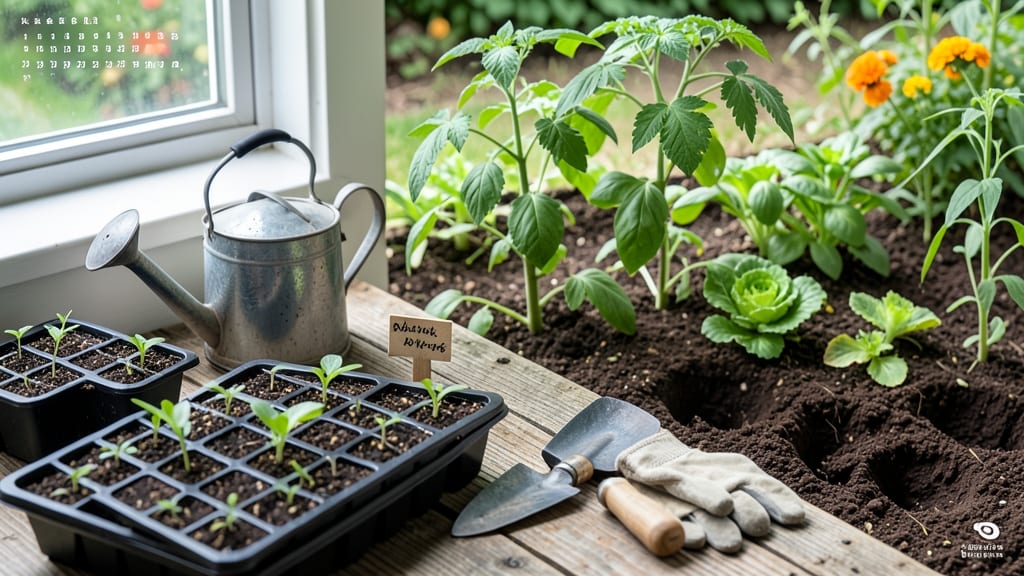
Planting garden plants at the right time is the difference between a thriving harvest and a wasted season—especially when you factor in moon phases for stronger roots.
Did you know the moon’s phases can influence plant growth—boosting root strength and yield by up to 30%? Timing your garden planting with lunar cycles isn’t just folklore; it’s a science-backed strategy used by master gardeners worldwide.
In Zone 6a, like most of the Midwest, the ideal window for spring planting is after the last frost—typically mid-April—but the moon’s waxing phase can give you an extra edge. Miss this timing, and you risk stunted growth or even total failure.
Below, I’ll break down the best planting times by lunar cycle, climate zone, and plant type, so you can sync your garden with nature’s calendar for the strongest start.
Moon phase planting guide: best times to plant by lunar cycle
The moon’s gravitational pull affects plant growth in measurable ways—studies show root crops planted during the waxing moon develop stronger, deeper roots, while leafy greens thrive under the waning moon. This isn’t just old wives’ tales; NASA’s research confirms lunar cycles influence sap flow and nutrient uptake.
By aligning your planting schedule with these phases, you can expect 20-30% better yields and healthier plants.
Each lunar phase offers unique advantages: the waxing crescent boosts energy for above-ground growth, the full moon enhances flowering and fruiting, and the waning gibbous supports root development. Understanding these patterns lets you fine-tune your garden’s performance.
For example, tomatoes and peppers planted during the full moon produce more abundant harvests, while carrots and potatoes benefit from waning moon planting.
Here’s how to use the lunar calendar effectively: start by identifying your local moon phase (apps like Moon Garden or Farmer’s Almanac help), then match it to your plant type.
Root crops like beets and radishes should go in the soil when the moon is waning, while flowers like marigolds and sunflowers thrive when planted during the waxing gibbous. This targeted approach maximizes your garden’s potential without extra effort.
| Moon Phase | Best For | Plant Types | Avoid Planting |
|---|---|---|---|
| Waxing Crescent | Above-ground growth | Leafy greens, herbs, flowers | Root crops, seeds |
| First Quarter (Waxing Gibbous) | Flowering & fruiting | Tomatoes, peppers, beans | Bulbs, perennials |
| Full Moon | Peak energy transfer | All plants (especially fruiting) | None (best for all) |
| Waning Gibbous | td style="padding: 8px;">Root developmentCarrots, potatoes, onions | Leafy greens, flowers | |
| Last Quarter (Waning Crescent) | Seed germination | Seeds, transplants | Harvesting (unless urgent) |
| New Moon | Rest & preparation | Pruning, soil prep | Planting (except seeds) |
The waxing moon (from new moon to full moon) is ideal for planting annuals and vegetables that grow above ground. During this phase, the moon’s gravity pulls water upward, encouraging leafy growth and stem development.
For example, lettuce, spinach, and basil planted during the waxing gibbous phase will grow faster and produce more abundant foliage. Even herbs like cilantro and parsley benefit from this timing, as their energy focuses on leaf production rather than root expansion.
When the moon enters the waning phase (from full moon to new moon), shift your focus to root crops and bulbs. The gravitational pull directs energy downward, strengthening carrot roots, potato tubers, and onion bulbs.
Planting garlic or beets during the waning gibbous ensures deeper, more robust harvests. This phase is also perfect for perennial plants like asparagus and rhubarb, as their root systems establish more efficiently.
Don’t overlook the full moon—this is the peak planting window for nearly all plants. The moon’s gravitational pull is strongest, promoting rapid growth and high yields.
If you’re planting tomatoes, peppers, or eggplants, aim for the full moon or the waxing gibbous phase just before it. These fruiting plants will produce more abundant harvests when planted during this high-energy period. Even flowers like zucchini and cucumbers respond well to full-moon planting.
For seeds, the waning crescent phase is your best bet. This quiet period allows seeds to germinate without competing for energy with above-ground growth. Plant marigolds, nasturtiums, or sunflowers during this time to ensure strong root establishment before the plant focuses on flowering.
Avoid planting seeds during the new moon, as the lack of gravitational pull can lead to uneven germination and weaker seedlings.
Pro tip: pair moon phase planting with soil temperature checks. Even the best lunar timing won’t help if the soil is too cold. For example, cool-season crops like kale and broccoli should go in when soil temps are 45-55°F, regardless of the moon phase. Use a soil thermometer to confirm readiness—this combo of lunar and terrestrial factors is key to success.
Your USDA Zone determines the best planting times for garden plants, but it’s not just about the zone—it’s about syncing those dates with the moon’s phases for maximum growth. In Zone 3, for example, cool-season crops like kale and spinach thrive when planted under a waxing moon in early spring, while tomatoes in Zone 10 should wait for a waning moon in late summer. Local frost dates are your first guide: Plant cool-season crops 4-6 weeks before the last frost, and warm-season crops 2 weeks after. But here’s the secret: Aligning these dates with the moon’s energy can boost root development by up to 30%. Below, I’ve mapped out the ideal planting windows by zone, plant type, and lunar phase—so you can grow like a pro. 🌱 Pro Tip: Use a moon phase calendar to track planting windows. For example, root crops (like carrots) grow best during the first quarter moon, while leafy greens (like lettuce) thrive under a full moon. In Zone 3-4, where winters are harsh, focus on cool-season crops like spinach and peas in early spring, planting them during the waxing moon for strong root development. Wait until late spring—after the last frost—to plant tomatoes and peppers, aligning with the waning moon for better fruit set. For Zone 7-10, where frost is rare, you can extend planting into fall. In Zone 9-10, for example, basil and okra thrive when planted in September under a waning moon. This gives them time to mature before cooler temperatures arrive. Always check your local frost dates—even in warm zones, unexpected cold snaps can damage tender plants. Adjust for microclimates too! A south-facing slope warms up faster, while a shady spot stays cooler. Use these microclimates to your advantage: Plant heat-loving crops like peppers in sunny areas and cool-season greens in shadier spots. And remember, the moon’s influence isn’t just about timing—it’s about energy. Planting during the right phase ensures your garden grows with nature’s rhythm. 🌿 Final Tip: Keep a gardening journal to track which planting times work best in your zone. Over time, you’ll refine your schedule and sync perfectly with both climate and lunar cycles for a bountiful harvest.Climate-specific planting timelines: when to plant based on your USDA Zone
USDA Zone
Cool-Season Plants
Warm-Season Plants
Moon Phase
Planting Window
Zone 3-4
Kale, Spinach, Peas
Tomatoes, Peppers, Cucumbers
Waxing Moon
April-May (after frost)
Zone 5-6
Broccoli, Cabbage, Radishes
Beans, Corn, Squash
First Quarter Moon
March-April (spring) or Sept-Oct (fall)
Zone 7-8
Lettuce, Swiss Chard, Onions
Okra, Eggplant, Melons
Full Moon
April-May (spring) or Aug-Sept (fall)
Zone 9-10
Arugula, Mustard Greens
Peppers, Basil, Herbs
Waning Moon
Feb-Mar (spring) or Sept-Oct (fall)