
Planting
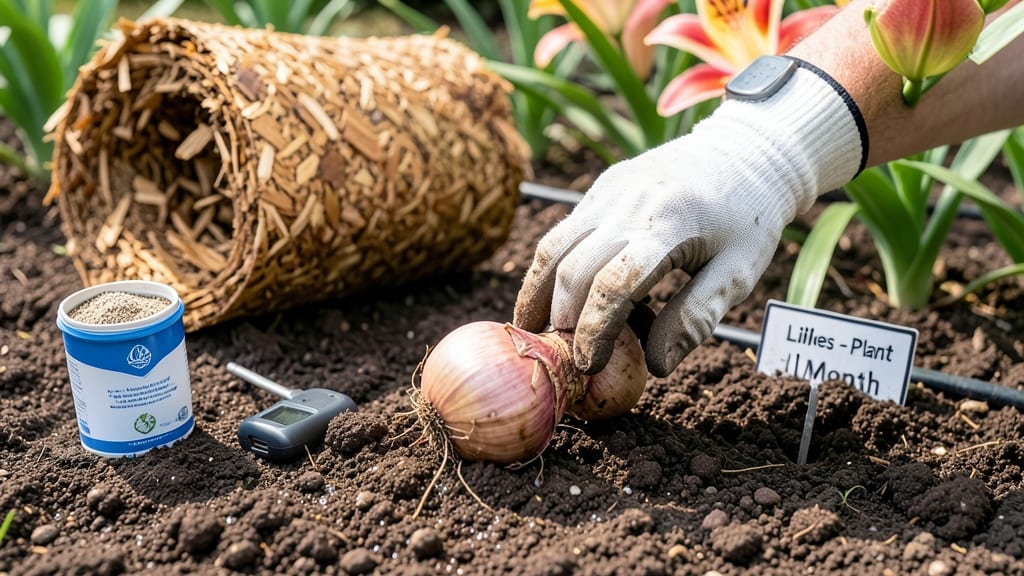
Planting lily bulbs in the garden at the right time ensures vibrant blooms next spring, but timing is everything—too early and frost zaps their energy, too late and they struggle to root.
Picture this: you’ve spent good money on high-quality lily bulbs 🌸, only to watch them rot in the ground because you planted them when the soil was still too warm. Or worse, they sprout too late and get nipped by an early frost.
The difference between a thriving patch of lilies and a failed experiment often comes down to one simple rule: plant them when the soil cools but before the ground freezes.
For most gardeners in USDA Zone 6a (and similar climates), that window is early fall—September or October—but the exact timing shifts depending on whether you’re in the South or the North. Spring planting is also an option, but it requires careful planning to avoid missing the frost-free window entirely.
In this guide, I’ll break down the best months for your zone, how to prep your soil for success, and the three common mistakes that kill lily bulbs before they even bloom.
By the end, you’ll know exactly when to dig—and why waiting just a little longer (or planting too soon) can mean the difference between a garden showstopper and a sad, wilted disappointment.
Best months to plant lily bulbs by US hardiness zones
Planting lily bulbs at the right time ensures they establish strong roots before winter or summer heat. The ideal window depends on your USDA hardiness zone, as frost timing varies dramatically from Zone 3 to Zone 9.
In colder zones, fall planting lets bulbs root before winter, while warmer zones may prefer spring planting to avoid summer drought stress.
Soil temperature is critical—lily bulbs need 60°F (15°C) soil to sprout safely. Planting too early in cold zones risks frost damage, while waiting too long in warm zones can delay blooming. Below is a zone-by-zone breakdown to help you pinpoint the perfect moment for your region.
🌱 Key Rule: Plant 6 weeks before your first frost date in fall or 4-6 weeks before last frost in spring. Adjust for microclimates (e.g., urban heat islands or valley frost pockets).
| USDA Zone | Fall Planting Window | Spring Planting Window | Soil Temp Requirement | Notes |
|---|---|---|---|---|
| 3-4 | Late August - Mid-September | Early May - Early June | 55-60°F (13-15°C) | Cover with mulch after planting |
| 5-6 | Mid-September - Early October | Mid-April - Late April | 58-62°F (14-17°C) | Avoid soggy soil in winter |
| 7-8 | October - Early November | February - Early March | 60-65°F (16-18°C) | Spring planting preferred |
| 9-10 | November - Early December | January - February | 62-68°F (17-20°C) | Plant in shade to prevent heat stress |
In Zones 3-4, where winters are harsh, focus on fall planting (late August to mid-September). The bulbs need 6-8 weeks to root before ground freezes. Use straw mulch (3-4 inches) to insulate them through winter.
For Zone 5-6, aim for mid-September to early October—this gives bulbs time to establish before first frost.
Southern gardeners in Zones 7-9 have more flexibility. Fall planting is still ideal, but spring planting (February-March) works too, especially in Zone 9, where winters are mild.
If planting in spring, start bulbs indoors in January to jumpstart growth. Avoid planting in summer heat, as bulbs can rot in waterlogged soil.
Regional exceptions apply: In Pacific Northwest (Zone 7-8), plant in October to avoid wet winters. In Deep South (Zone 9-10), November-December planting is safer than spring, as summer heat can stress newly planted bulbs.
Always check your local frost dates—they can vary by 1-2 weeks even within the same zone.
Pro tip: Use a soil thermometer to confirm temperatures. Lily bulbs won’t sprout until soil reaches 60°F (15°C). If your soil is cooler, wait 1-2 weeks or plant in a warmer microclimate, like a south-facing slope.
Overheating soil in spring can also stunt growth, so avoid planting when daytime temps exceed 80°F (27°C).
Common mistakes include planting too early (risking frost heave) or too late (delaying blooms). In Zone 3, bulbs planted after September 15 may not root deeply enough.
In Zone 9, spring planting after March 1 can lead to heat stress. Always prioritize well-draining soil—lily bulbs rot in soggy conditions.
For container gardening, adjust timing by 2-3 weeks earlier in fall or 1-2 weeks later in spring. Pots warm up faster, so monitor soil temps closely. Use lightweight potting mix with perlite to improve drainage. In <
How to choose the perfect planting window for your location
Choosing the right time to plant lily bulbs isn’t just about following a calendar—it’s about reading your garden’s unique signals. Soil temperature, microclimates, and even bulb maturity play critical roles in determining success.
In my experience, the best planting window balances these factors to give your lilies the strongest start.
Most gardeners aim for early fall (September-October) or early spring (March-April), but these dates shift based on your USDA zone and local conditions. For example, in Zone 5, I plant in late September to avoid early frosts, while in Zone 8, I might wait until November.
The key is planting 6-8 weeks before the first frost to allow roots to establish.
⚠️ callout warning ⚠️
⚠️ Common Mistake: Planting Too Early
Planting lily bulbs when soil temperatures are still above 60°F (15°C) can cause premature sprouting, leaving them vulnerable to frost damage. Always check soil temps with a soil thermometer—ideal planting soil should be between 50-60°F (10-15°C).
🌱 Pro Tip: Use a frost forecast app to track your local last frost date and adjust timing accordingly.
Beyond frost dates, pay attention to soil conditions. Well-draining soil is non-negotiable for lilies—waterlogged roots lead to rot. I always test my soil’s drainage by digging a hole, filling it with water, and timing how long it takes to drain.
If it takes more than 2 hours, amend with compost or sand to improve aeration.
Another critical factor is bulb maturity. Freshly harvested bulbs need time to cure and dry before planting. If you’re planting store-bought bulbs, check for firmness and avoid any with soft spots or mold.
For homegrown bulbs, I wait until they’ve fully matured and the foliage has yellowed before digging and storing them in a cool, dry place until planting season.
Don’t overlook microclimates in your garden. A south-facing slope warms up faster than a shady corner, which can create a 2-3 week difference in planting readiness. I’ve seen daylily varieties thrive in microclimates where standard lilies struggle—always observe how sunlight and wind affect different areas of your yard.
Finally, avoid the temptation to rush planting. Slow and steady wins with lilies. If you’re unsure about your local frost date, err on the side of planting 2 weeks later than the average.
Healthy roots take time to form, and a well-timed planting will reward you with bold, vibrant blooms next summer. 🌸