
Tools
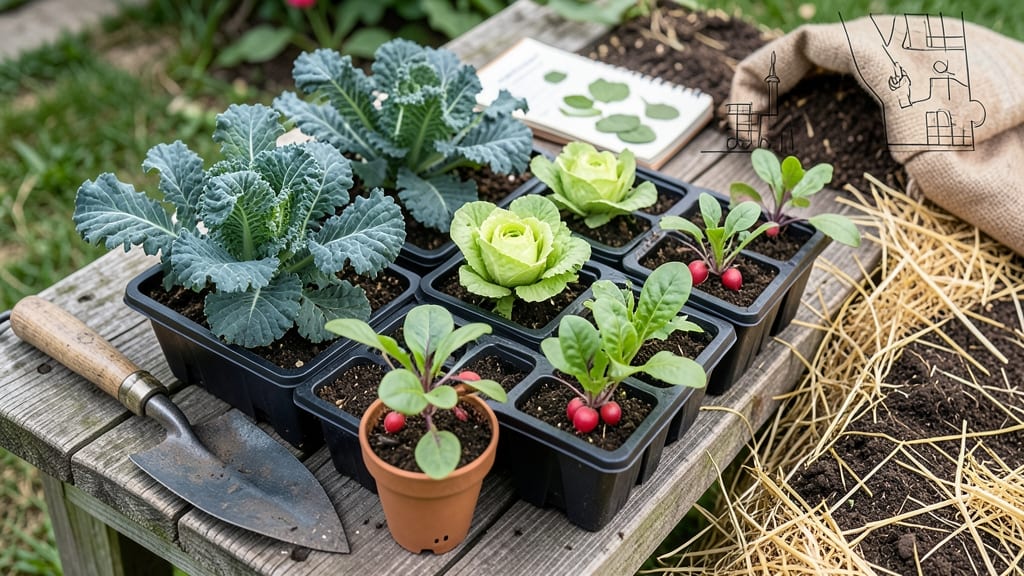
To start a fall garden successfully, you need to begin planting cool-season crops like kale and carrots about 8 to 10 weeks before your first frost—typically in late summer or early fall.
Timing is everything in gardening—plant your fall crops too early, and they’ll bolt in the heat; too late, and frost will ruin your harvest. Here’s your zone-by-zone guide to starting a thriving fall garden with precision deadlines.
Fall gardening isn’t just about throwing seeds in the ground—it’s about working with your climate. Whether you’re in USDA Zone 6a or a warmer region, knowing when to plant ensures a bountiful harvest before winter sets in.
Inside, you’ll discover the exact planting windows for your area, how to extend your growing season, and common mistakes that can sabotage your fall garden—so you can enjoy fresh produce straight from your backyard.
Fall planting deadlines by US hardiness zone: exact dates for cool-season crops
Getting your fall garden timed perfectly means the difference between a bumper harvest and wasted effort. Cool-season crops like broccoli, Brussels sprouts, and spinach thrive when planted at the right moment—too early, and they’ll bolt; too late, and frost will nip them.
Here’s how to nail those planting deadlines based on your USDA hardiness zone, including adjustments for early frosts and high-altitude areas.
Your last chance to transplant seedlings varies dramatically across the country. For example, gardeners in Zone 3 (think Minnesota or Maine) have just 4-6 weeks before first frost, while those in Zone 10 (like Southern California) can plant well into November.
High-altitude areas (e.g., Denver or Albuquerque) may need to push deadlines 2-3 weeks earlier due to colder microclimates.
Let’s break down the exact planting windows for your zone, including direct sowing and transplanting deadlines. Use this as your fall garden checklist to avoid common timing mistakes.
| USDA Zone | Direct Sow Deadline | Transplant Deadline | Key Crops | Notes |
|---|---|---|---|---|
| Zones 3-4 | Mid-July to early August | Late July to mid-August | Kale, Spinach, Carrots, Beets | Early frost risk; use row covers. |
| Zones 5-6 | Early August to early September | Late August to mid-September | Broccoli, Brussels Sprouts, Lettuce, Radishes | Adjust for high altitude (add 1-2 weeks earlier). |
| Zones 7-8 | Late August to early October | Mid-September to late October | Cabbage, Cauliflower, Peas, Swiss Chard | Late frosts possible; monitor forecasts. |
| Zones 9-10 | September to November | October to December | Green Onions, Arugula, Mustard Greens | Mild winters allow extended planting. |
For Zones 3-4, focus on fast-maturing varieties like bush beans or radishes, which can be harvested in as few as 30 days. Start seeds indoors in late June for a head start, then transplant outdoors by mid-July.
If you’re in a high-altitude area (e.g., Colorado mountains), shift your timeline 2 weeks earlier to account for colder nights.
In Zones 5-6, you’ve got more flexibility—ideal for broccoli and Brussels sprouts, which need 80-100 days to mature. Direct-sow seeds by early August for a fall harvest, or transplant seedlings by mid-September for a late crop.
Pro tip: Use black plastic mulch to warm the soil and extend the season by 1-2 weeks.
Gardeners in Zones 7-8 can push the envelope with cabbage and cauliflower, which handle cooler temps beautifully. Transplant seedlings by mid-September for a harvest before winter sets in.
If you’re in a coastal area (e.g., Pacific Northwest), you might even squeeze in a winter crop with protection like row covers.
For Zones 9-10, where winters are mild, you can plant green onions or arugula well into November. These crops tolerate light frosts, making them perfect for succession planting. If you’re near the coast (e.g., Southern California), you might even harvest into January with minimal protection.
Remember: Soil temperature matters just as much as air temperature. Cool-season crops prefer soil between 40-75°F. Use a soil thermometer to check before planting—if it’s still above 80°F, wait a few days or provide shade cloth to prevent bolting.
Don’t forget to plan for succession planting! For example, sow a second batch of spinach or lettuce every 2-3 weeks to ensure a continuous harvest. This works especially well in Zones 5-10, where the growing season stretches longer.
Finally, keep an eye on your local frost date. The USDA provides average first frost dates, but your actual date can vary by 1-2 weeks. Check resources like the National Oceanic and Atmospheric Administration (NOAA) or your local cooperative extension service for real-time updates.
With these deadlines, you’ll be well on your way to a bountiful fall harvest!
How to extend your fall garden season: 5 proven strategies for late harvests
Fall gardening isn’t just about planting early—it’s about strategic timing and protective techniques to beat frost. With the right approach, you can harvest kale, spinach, and carrots well into winter. The key is combining fast-maturing varieties with season-extending tools to maximize your garden’s potential.
Don’t let early frosts cut your harvest short. By using row covers, cold frames, and succession planting, you can push your garden’s limits. Even in USDA Zone 5, where frost arrives early, these methods add 4-6 extra weeks of growing time.
Start with the right crops and timing, and you’ll enjoy fresh produce long after summer’s over.
- 1. Use row covers to protect plants from light frost (28-32°F). These lightweight fabrics trap heat while allowing sunlight and water through. Ideal for lettuce and spinach in Zones 3-7.
- 2. Build a cold frame for hardier crops like kale and Brussels sprouts. A simple Plexiglas box can add 10-15°F of warmth, delaying frost damage until late November in many regions.
- 3. Plant fast-maturing varieties like ‘Early Wonder’ peas (50 days) or ‘Quick Bolt’ radishes (25 days). These thrive in cool weather and reach harvest before frost strikes.
- 4. Start seeds indoors 6-8 weeks before your last frost date. Transplant seedlings outdoors when soil temps drop to 50-60°F for optimal growth.
- 5. Practice succession planting every 2-3 weeks in late summer. This ensures a steady supply of leafy greens and root vegetables as older plants mature.
For direct-sown crops like carrots and beets, aim to plant seeds 8-10 weeks before frost. If you’re transplanting seedlings (e.g., broccoli or cabbage), do it 6-8 weeks before frost for a head start.
In warmer zones (8-10), you can stretch this to 10-12 weeks thanks to milder winters.
Don’t overlook soil temperature—cool-season crops need soil between 45-75°F to germinate. Use a soil thermometer to check before planting. If temps are too warm, wait until evenings cool down or use shade cloth to protect young seedlings from bolting.
Combine these strategies for the best results. For example, plant ‘Winter Density’ kale in early September, cover it with a floating row cover in October, and harvest until December. With careful planning, your fall garden can outlast frost and keep you harvesting well into winter.
Experiment with one or two methods this season—you’ll be amazed at how much longer your garden stays productive. Happy planting! 🌱🍂