
Planting
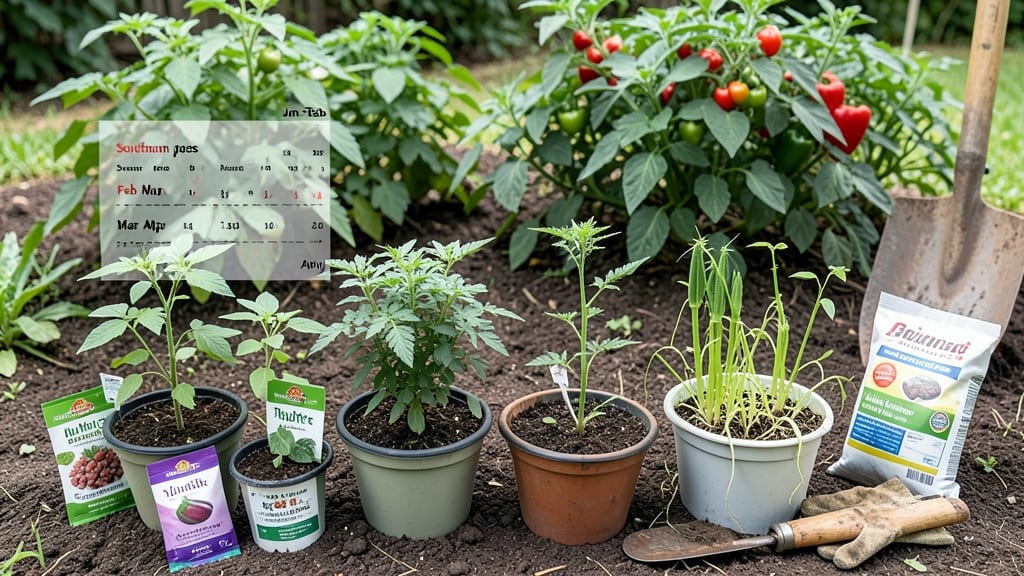
Planting a vegetable garden in Florida requires knowing the right times to avoid heat stress or missed harvests—because unlike most states, you can grow year-round with the right schedule.
Florida’s scorching summers and unpredictable weather make timing your vegetable garden critical—plant too early, and your crops bolt; too late, and pests or heat take over. But with the right schedule, you can grow a thriving garden year-round.
Whether you’re in North Florida’s 9a or South Florida’s 11, the key is matching crops to the season: fast growers like radishes in winter, heat lovers like okra in summer, and everything in between.
Below, I break down the best months to plant each crop, from cool-season greens to sun-loving tomatoes, plus pro tips to beat Florida’s humidity and sandy soil.
Florida’s best month-by-month planting schedule for heat-resistant vegetables
Florida’s unique climate—with its long growing seasons and humid heat—lets you grow vegetables year-round, but timing is everything. North Florida’s cooler winters (USDA Zones 8a-9a) allow for winter greens, while South Florida’s tropical warmth (Zones 10a-11) thrives with heat-loving crops.
The key? Planting heat-resistant varieties at the right time to avoid bolting or pest pressure.
Unlike northern states, Florida rarely faces frost, but temperature fluctuations and hurricane season (June-November) still demand strategic planning. For example, okra and sweet potatoes love the heat, while collard greens and kale prefer cooler months.
Below, I’ll break down the best planting months for each Florida region, so you can enjoy fresh produce every season.
Pro Tip: Use mulch to retain moisture in summer and row covers for winter crops in North Florida. Container gardening is also ideal for small spaces or sandy soil.