
Planting
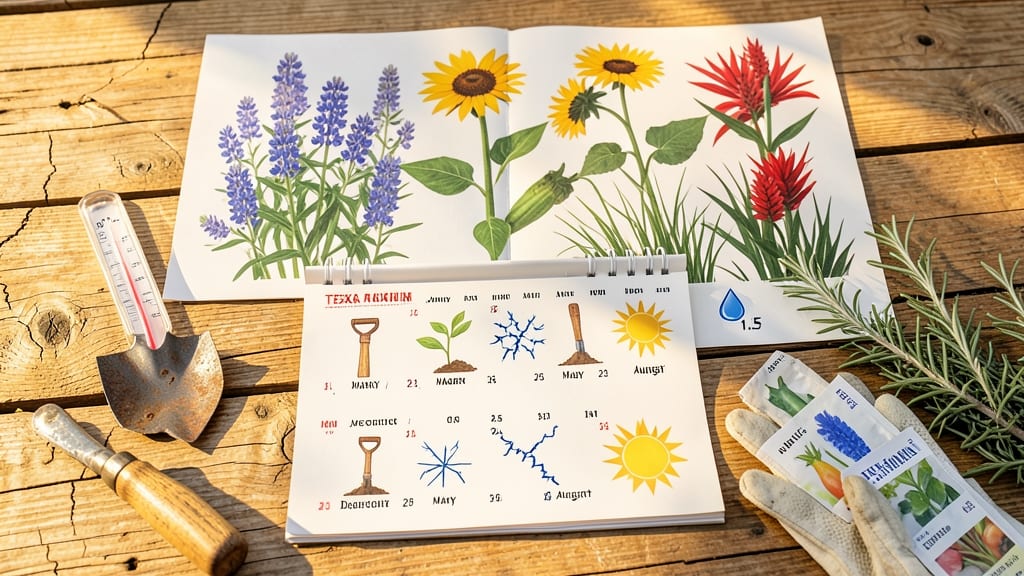
To plant a garden in Texas at the right time means avoiding both early freezes and sweltering heat—timing that shifts dramatically from the Panhandle to the Rio Grande Valley.
Texas gardeners face unique challenges—scorching summers, unpredictable freezes, and varying soil conditions—but timing your planting right can mean the difference between a thriving harvest and a failed crop. Whether you're in Zone 8a or Zone 11, getting the schedule wrong costs you months of growth.
Cool-season crops like broccoli and lettuce need to hit the soil 6–8 weeks before your last frost, while tomatoes and peppers wait until soil temperatures climb past 65°F.
In North Texas, that’s mid-March; in South Texas, it’s February. Miss the window, and you’ll end up with leggy seedlings or bolted greens.
Below, I break down the exact planting dates by zone, regional tweaks for microclimates, and the 3 biggest mistakes Texas gardeners make—so you can skip the guesswork and grow like a pro.
Texas planting calendar by USDA Zone: exact dates for vegetables, herbs, and flowers
Texas spans USDA zones 6a to 10b, creating dramatic differences in planting schedules from the Panhandle’s harsh winters to the Gulf Coast’s mild climate. Getting your timing right means the difference between a bountiful harvest and wasted seeds.
I’ve broken down the exact planting windows for your zone, including critical frost dates and heat-tolerant crops that thrive in Texas summers.
For cool-season crops like broccoli and lettuce, timing starts as early as September in Zone 10b but waits until October in Zone 6a.
Meanwhile, warm-season staples like tomatoes and peppers need to wait until after last frost, which varies from March in Zone 10a to April in Zone 8a.
Don’t miss the heat-tolerant window for crops like okra and sweet potatoes, which can handle Texas’s 100°F+ summers when planted in May or June.
Here’s your zone-by-zone planting guide, including first-frost averages and key risks to watch for:
In Zone 6a, where winters can drop below 20°F, I recommend starting cool-season crops like spinach and kale by September 15 to ensure they mature before the first frost. Use row covers to extend the season if needed.
For Zone 10b, where frost is rare, you can plant lettuce and cilantro year-round—just provide afternoon shade during peak summer heat.
Warm-season crops like tomatoes and peppers need soil temperatures above 65°F to thrive. In Zone 8a, wait until after April 15 to plant these heat-lovers, while Zone 10a gardeners can start as early as February 1.
For heat-tolerant crops, such as okra and sweet potatoes, plant in May to avoid bolting in the heat. These varieties can handle 100°F+ temperatures with proper watering.
Don’t overlook year-round favorites like green onions and cilantro, which can be planted in shade cloth during summer months across most zones. In Zone 9a and 10a, even broccoli and cabbage can be grown in fall and winter with minimal frost risk.
For herbs like basil and dill,
How to adjust planting for Texas microclimates: Hill Country vs. Gulf Coast vs. Panhandle
Texas isn’t one-size-fits-all when it comes to gardening. A 50-mile drive from Austin to Houston can shift your planting schedule by 3+ weeks—or even entire seasons. The Hill Country’s cooler nights, the Gulf Coast’s humid heat, and the Panhandle’s windy conditions all demand different strategies.
Let’s break down how to adapt your garden for each region’s quirks.
In the Hill Country, elevation delays warmth, so wait until April 15 for tomatoes and peppers. Meanwhile, the Gulf Coast can start planting 6 weeks earlier thanks to milder winters.
The Panhandle, though, faces brutal winds that dry out soil faster—requiring extra mulch and windbreaks. These microclimates aren’t just about timing; they’re about survival.
Take Austin’s false spring as a cautionary tale. In 2019, gardeners rushed to plant tomatoes in February after mild weather—only to face a 20°F freeze in March. The Gulf Coast, meanwhile, can grow year-round with shade cloth for heat-sensitive crops like cucumbers.
In the Panhandle, wind exposure can dry out seedlings in days, so windbreaks or raised beds are essential.
For Hill Country gardeners, focus on cool-season crops like broccoli and carrots in September to avoid summer’s brutal heat. Gulf Coast gardeners can double-harvest by planting spring greens in January and fall squash in August. Meanwhile, Panhandle gardeners should prioritize wind-resistant plants like rosemary and Russian sage.
Pro tip: Use a soil thermometer to check for 60°F+ soil before planting warm-season crops—critical in all three regions. And always monitor local forecasts for false springs or unexpected freezes, especially in Zone 7b-8a areas like Austin.
Adapting to Texas’s microclimates isn’t just about dates—it’s about understanding your local extremes. Whether you’re battling Hill Country chill, Gulf Coast humidity, or Panhandle winds, these adjustments will help you outsmart the climate and grow a bountiful garden. 🌱