
Planting
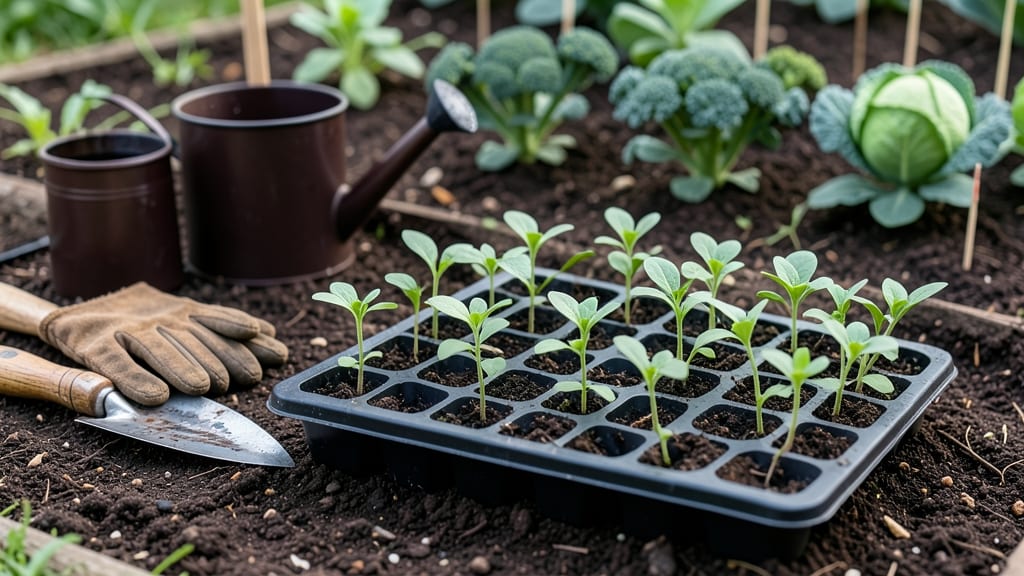
Planting a fall garden in Texas means starting mid-August to early October before the 90-day heat wave locks in for good.
Texas gardeners know the summer heat can be brutal—but with the right timing, you can still grow a thriving fall garden packed with heat-tolerant crops. Missing the planting window means shorter harvests or stunted growth, so knowing exactly when to start is critical for Zone 8-10 success.
This isn’t just about avoiding frost; it’s about working with Texas’s unique climate. Late summer heat can stress seedlings, while early freezes cut harvests short. The key is planting cool-season crops—like kale, broccoli, and spinach—when soil temperatures drop below 85°F and nights cool to 70°F.
Below, you’ll find a region-specific planting calendar, soil prep tips to beat the heat, and the top 5 heat-resistant crops that thrive in Texas’s fall conditions. Let’s get your garden growing before the first frost hits.
Texas fall planting calendar: exact dates for heat-tolerant crops by month
Timing is everything when planting a fall garden in Texas, where summer heat lingers into September. The key is to start heat-tolerant crops early enough to establish roots before temperatures drop, but not so early that they bolt in the remaining summer heat.
For Texas Zones 8-10, the ideal planting window spans from mid-August through early October, with specific crops thriving in different sub-windows.
Your first step is understanding temperature thresholds. Most cool-season crops like collards and kale tolerate soil temps down to 50°F (10°C), but they’ll struggle if planted when daytime highs exceed 90°F (32°C).
Use this calendar to align your planting with cooler soil temps and avoid heat stress in young seedlings.
⚠️ NON-NEGOTIABLE: Always check your local frost dates—North Texas (Zone 8) averages its first frost around November 15, while South Texas (Zone 10) may see light frosts as late as December 15. Planting 6-8 weeks before frost ensures mature harvests before cold snaps.
| Month | Early Fall (Aug) | Mid Fall (Sep) | Late Fall (Oct) | Notes |
|---|---|---|---|---|
| Okra | 15-30 Aug | Direct sow | Transplant | Tolerates 95°F+; harvest pods at 3-4 inches |
| Sweet Potatoes | 1-15 Aug | Slips planted | Harvest begins | Needs 90+ days; cure in 85°F for sweetness |
| Collards | Transplant | Direct sow | Harvest starts | Sweetens after frost; space 12-18 inches |
| Kale | Transplant | Direct sow | Cut-and-come-again | Frost improves flavor; harvest outer leaves |
| Cowpeas | 1-15 Aug | Direct sow | Pod harvest | Drought-tolerant; fix nitrogen in soil |
| Swiss Chard | Transplant | Direct sow | Harvest leaves | Heat-tolerant; harvest stems at 12 inches |
For early August plantings, focus on heat-loving crops like okra and sweet potatoes. These varieties can handle soil temps up to 95°F (35°C), making them ideal for starting your fall garden before temperatures dip.
Okra, for example, thrives when planted from August 15-30, with pods ready to harvest by October 1 in most of Texas.
By mid-September, shift to cool-season staples like collards and kale. These crops prefer soil temps between 60-75°F (15-24°C) and will bolt if planted too early.
Transplant seedlings after September 15 for best results, and direct-sow varieties like Malabar spinach if you’re in South Texas (Zone 10), where frost is less likely.
In October, prioritize fast-maturing crops like turnips and radishes. These can tolerate light frosts and often improve in flavor after exposure to 28-32°F (-2 to 0°C). For North Texas gardeners, this is your last chance to direct-sow broccoli and cabbage before soil cools too much for germination.
Pro tip: Use shade cloth (30-50%) for early August plantings to protect seedlings from intense afternoon sun. This simple trick can boost germination rates by 30-40% in West Texas, where heat waves often persist
How to adjust planting times for Texas microclimates and heat waves
Texas’s diverse climate means your fall planting window can vary dramatically from West Texas heat to East Texas humidity.
In Zone 9-10 (South Texas), you might plant okra or sweet potatoes as late as early October, while North Texas gardeners (Zone 8) should start cool-season crops like kale by mid-August to avoid frost. Understanding these shifts is key to avoiding heat stress or early freezes.
Soil warmth plays a critical role—West Texas soils can stay scorching well into September, while coastal areas cool faster due to humidity. Use a soil thermometer to check if temperatures drop below 75°F before planting heat-sensitive crops like lettuce or spinach.
In urban heat islands, temperatures can spike 10°F higher than rural areas, delaying planting by 1-2 weeks.
⚠️ Heat Wave Warning: Adjust Timing or Risk Failure
If a 100°F+ heat wave hits after you plant, leafy greens bolt in days. West Texas sees these spikes through September, while East Texas cools faster post-Labor Day. Delay planting by 2-3 weeks if forecasts show prolonged heat, or use shade cloth (30-50%) to protect seedlings.
Unexpected droughts can derail your fall garden, especially in West Texas where rainfall drops sharply in late summer.
Before planting, amend soil with compost to improve water retention, and apply 2-3 inches of mulch to lock in moisture. Drip irrigation on a timer ensures consistent watering, while rain barrels help conserve water during dry spells.
To extend your growing season, shade cloth is your best tool. A 30% shade cloth reduces soil temps by 10-15°F, letting you plant heat-sensitive crops like broccoli or cabbage 2-3 weeks earlier.
In South Texas, this can push harvests into December instead of November. Pair it with row covers for extra frost protection in North Texas.
Watch for microclimate clues in your yard—south-facing slopes stay warmer longer, while north-facing beds cool faster. Move heat-loving crops (like Malabar spinach) to warmer spots and cool-season crops to shaded areas. Urban gardens with pavement nearby may need extra mulch to offset heat reflection.
Finally, monitor local frost dates—they shift yearly. Use a frost calendar from your AgriLife Extension office to adjust planting. For example, Dallas (Zone 8a) averages its first frost on November 15, but Houston (Zone 9a) rarely sees frost before January 1.
Plant fast-maturing crops first to ensure harvests before cold snaps.